
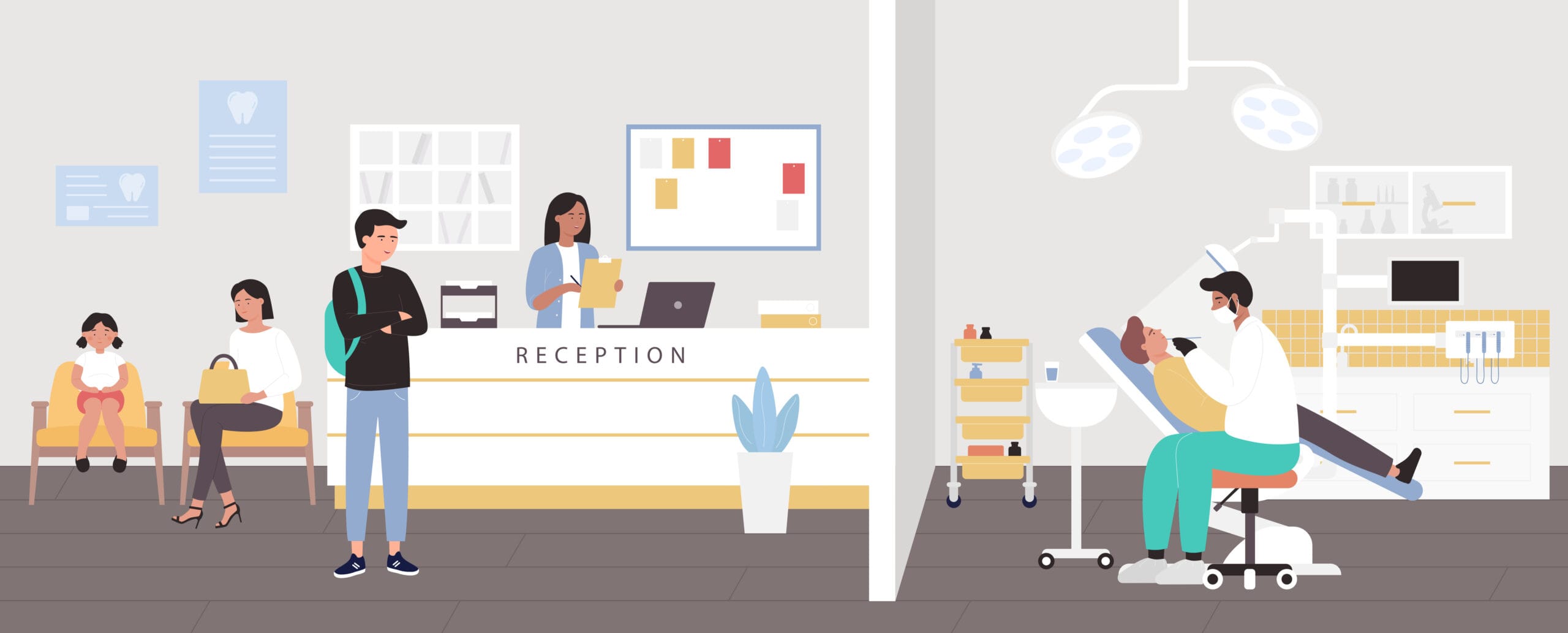
From the outside, Dr. Smith looks like he is doing well.
He owns a respected practice. His schedule stays full. Patients like him. The team depends on him. Collections are steady. To most people, it looks like he has built exactly the kind of career many dentists want.
But that is not how it feels to him.
He arrives early because there is always something to handle before the day starts. A team member has a question about the schedule. Another needs his input on a patient concern. Someone calls in sick. A case that should have been accepted last week is still unscheduled. There are numbers he wants to review, but no time to look at them carefully. By the time the first patient arrives, the day already feels behind.
He gets through the clinical work, but the work never really ends. There are staffing issues to think about, systems that need attention, fires to put out, and decisions that seem to wait for him no matter how capable the team may be. He leaves the office tired, but not finished. On paper, the practice is successful. In real life, it feels like too much depends on one person.
This is the solo practice trap.
When success still feels heavy
Many good dentists fall into this trap because they do exactly what they were trained to do. They care deeply about patients. They focus on doing strong clinical work. They take ownership seriously. When problems appear, they step in and solve them. When growth opportunities appear, they work harder to support them.
For a while, that seems like the right formula. Then one day, they realize the practice is busy, but they do not feel free. Revenue may have improved, but the stress has grown with it. The team may be larger, but so is the amount of oversight required. Time away feels complicated. Growth feels expensive. Success starts to feel strangely heavy. That is what makes this trap so frustrating. It often hides inside what looks like success.

Why good dentists still feel stuck
This is one of the biggest mindset shifts in practice ownership. Being a strong clinician is essential, but it is no longer enough on its own to build a practice that creates long-term stability, freedom, and growth. A healthy practice also needs systems, leadership, training, patient experience, and strategic marketing working together around the doctor.
Without those foundations, the owner becomes the bridge holding everything up. If a team member leaves, the owner absorbs the pressure. If a system is weak, the owner compensates. If the patient experience is inconsistent, the owner smooths it over. If growth slows down, the owner works harder. Over time, this creates a business that can function, but only through constant owner effort. That is why so many dentists quietly ask themselves a question they never expected to ask:
Why does a successful practice still feel this hard?

When the practice has outgrown the model
Usually, the answer is not that the owner is doing something wrong. It is that the practice has outgrown the original model that built it.
Many practices are designed around the doctor’s effort, decision-making, and availability. That model can work for a period of time. It can even produce good income and a solid reputation. But eventually, it starts to create friction.
The next stage of growth requires a different kind of practice. It requires better structure, clearer expectations, stronger team development, and less reliance on the owner as the answer to every issue. It requires moving from a practice that runs because of the doctor to one that grows through stronger foundations.
That is the shift from operator to owner.
The signs are often easy to recognize
If any of the following sound familiar, the solo practice trap may already be shaping your business:
- You feel like the office can function without you, but it cannot truly improve without you.
- Team questions and recurring issues keep coming back to your desk.
- Training depends too heavily on certain people.
- Time away from the office creates stress instead of relief.
- Growth has made the practice busier, but not easier to lead.
- You are producing, managing, solving, and overseeing at the same time.
None of these signs point to failure. They point to owner dependency.
That is an important difference, because dependency can be reduced when the business is redesigned with more intention.
What starts to change things
The goal is not to become less involved in your practice. It is to become involved in a more effective way. That means spending less time rescuing and more time designing. It means looking at recurring frustrations not as isolated annoyances, but as clues. Team confusion may point to weak training. Schedule pressure may point to broken systems. Low follow-through may point to unclear accountability. Slower growth may point to a trust or experience problem, not just a marketing problem.
When a practice owner starts asking those deeper questions, the business begins to change. The focus shifts from working harder inside the chaos to building a practice that creates more consistency, stronger team performance, and better patient experiences.

A better path forward
The solo practice trap is not about ownership itself being flawed. It is about reaching a point where personal effort alone is no longer the right growth strategy. Good dentists feel stuck because many are trying to solve a structural business problem with more time and more effort.
That works for a while. Then it starts to cost too much. The better path is to build a practice that no longer asks one person to carry what should be supported by stronger systems, better leadership, clearer team structure, and a more intentional growth model.
When that begins to happen, the practice starts to feel different. Not just more profitable, but more stable. Not just busier, but more intentional. Not just successful from the outside, but sustainable from the inside.
You do not need to stay stuck
If your practice feels heavier than it should, that does not mean you need to lower your expectations. It may simply mean you have reached the point where the next level requires a different model. That is often where real transformation starts.
If you are ready to build a practice with stronger systems, better leadership, and more freedom, book a discovery call with Elite Practice and start exploring what the next stage could look like.
